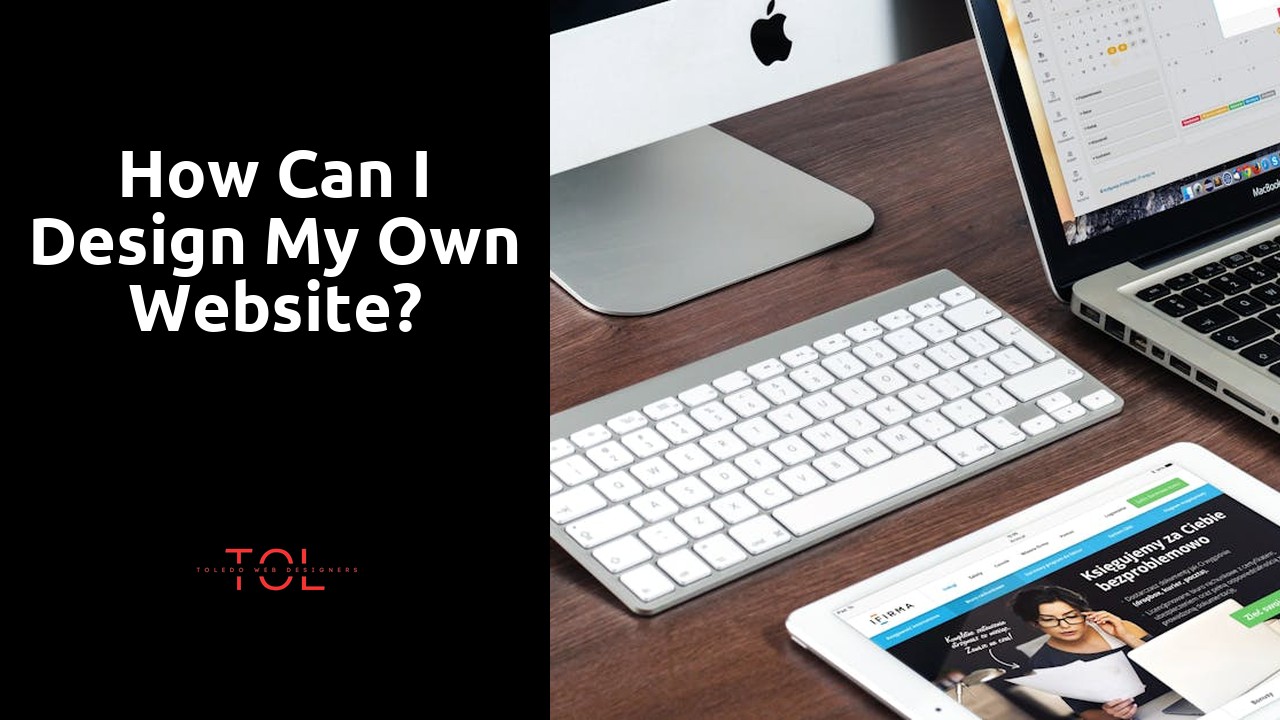
Testing Your Website's Functionality
Testing your Website's functionality is a crucial step in ensuring a seamless user experience. Start by checking for broken links throughout your Website Design, as broken links can lead to frustration and deter visitors from exploring your site further. Utilize online tools or manually click through each link to confirm that they direct users to the correct pages. Additionally, make sure that your Website Design is responsive and adapts well to various screen sizes and devices. Conduct tests on different browsers and devices to guarantee that all elements display correctly.
Incorporating user-friendly navigation is essential for a positive user experience on your Website Design. Test the navigation menu to ensure it is intuitive and easy to use, allowing visitors to find information quickly and efficiently. Moreover, check the loading speed of your website as slow loading times can lead to high bounce rates. Analyze the loading speed of each page and optimize images and content to enhance performance. By thoroughly testing your website's functionality, you can identify and address any issues that may hinder user engagement and satisfaction.
Check for broken links and ensure responsive design
Checking for broken links and ensuring responsive design are crucial steps in Website Design. Broken links can frustrate users and hinder their experience on your website. By regularly scanning your website for broken links and fixing them promptly, you can maintain a smooth and seamless browsing experience for your visitors. Additionally, responsive design is essential in today's digital landscape where users access websites on various devices. Ensuring that your website is responsive across different screen sizes and devices will enhance user satisfaction and improve the overall usability of your site.
When incorporating responsive design into your Website Design, it is important to test your website's functionality on different devices such as smartphones, tablets, and desktop computers. This process allows you to identify any design inconsistencies or layout issues that may arise on specific devices. By addressing these issues promptly and optimizing your website for responsiveness, you can cater to a wider audience and provide a consistent user experience across all platforms.
Incorporating Branding Elements
Incorporating branding elements into your website design is essential for creating a cohesive and professional online presence. Start by adding your logo prominently on your homepage to increase brand recognition and establish a visual identity for your website visitors. Choose a color scheme that aligns with your brand identity and use it consistently throughout your website to create a cohesive and memorable user experience. By incorporating these branding elements, you can enhance the overall look and feel of your website design, making it more visually appealing and engaging for your audience.
Additionally, consider integrating other branding elements such as custom fonts, imagery, and messaging that reflect the values and personality of your brand. Consistency is key when it comes to branding, so make sure that all elements are in harmony with each other to create a strong and unified brand image across your Website Design. Remember, your branding elements should not only reflect who you are as a brand but also resonate with your target audience, helping to build trust and recognition among your website visitors.
Add your logo and choose a cohesive color scheme
When considering Website Design, adding your logo and choosing a cohesive color scheme are crucial steps in establishing a strong brand identity for your website. Your logo serves as a visual representation of your brand, helping visitors easily recognize and remember your site. Ensure that your logo is strategically placed on your website, typically in the header section for maximum visibility. Select colors that complement your logo and resonate with your brand's image. Consistency in color usage across your website conveys professionalism and enhances user experience, making your site visually appealing and easy to navigate.
A cohesive color scheme not only enhances the aesthetics of your website but also conveys the personality and values of your brand to visitors. Choose colors that align with your brand's message and evoke the desired emotions in your audience. Utilize color psychology to guide your selection process, ensuring that the chosen palette resonates with your target demographic. Remember to maintain a balance between vibrant and neutral tones to create a visually pleasing and harmonious design that reflects your brand identity effectively.
Making Your Website MobileFriendly
Making your website mobile-friendly is crucial in today's digital landscape. With the increasing number of users accessing websites through their smartphones and tablets, it is essential to ensure that your website is optimized for mobile devices. A responsive design will allow your website to adapt to various screen sizes and resolutions, providing a seamless user experience across different devices. By incorporating this feature into your Website Design, you can increase user engagement and satisfaction.
To enhance the mobile-friendliness of your website, it is important to focus on navigation and layout. Streamline the menu options and prioritize essential information to make it easily accessible on smaller screens. Consider the loading speed of your website on mobile devices and optimize images and content accordingly. By paying attention to these details in your Website Design, you can create a mobile-friendly experience that caters to the needs of your users, regardless of the devices they use to access your website.
Ensure your website is optimized for mobile devices
To ensure your website is optimized for mobile devices, it is crucial to implement a responsive design. This means that your website will adjust its layout and content based on the screen size of the device being used to view it. By using responsive design techniques, you can provide a seamless user experience across different devices, enhancing the accessibility and usability of your Website Design.
In addition to responsive design, it is important to test your website on various mobile devices to ensure that it displays correctly and functions smoothly. This includes checking the loading speed of your pages, the ease of navigation, and the visibility of content without requiring users to zoom in or out. By prioritizing mobile optimization, you can reach a wider audience and improve the overall user experience on your Website Design.
FAQS
Can I design my own website without any prior experience?
Yes, you can design your own website even without any prior experience by using website builders that offer easy drag-and-drop features.
How important is it to test my website's functionality?
Testing your website's functionality is crucial to ensure that all features work correctly and provide a smooth user experience.
What should I do to make my website mobile-friendly?
To make your website mobile-friendly, ensure that it is optimized for mobile devices by using responsive design and testing it on various screen sizes.
Why is it important to check for broken links on my website?
Checking for broken links is essential to maintain a good user experience and ensure that visitors can navigate your website without encountering any errors.
How can I incorporate branding elements into my website design?
You can incorporate branding elements into your website design by adding your logo and choosing a cohesive color scheme that reflects your brand identity.